

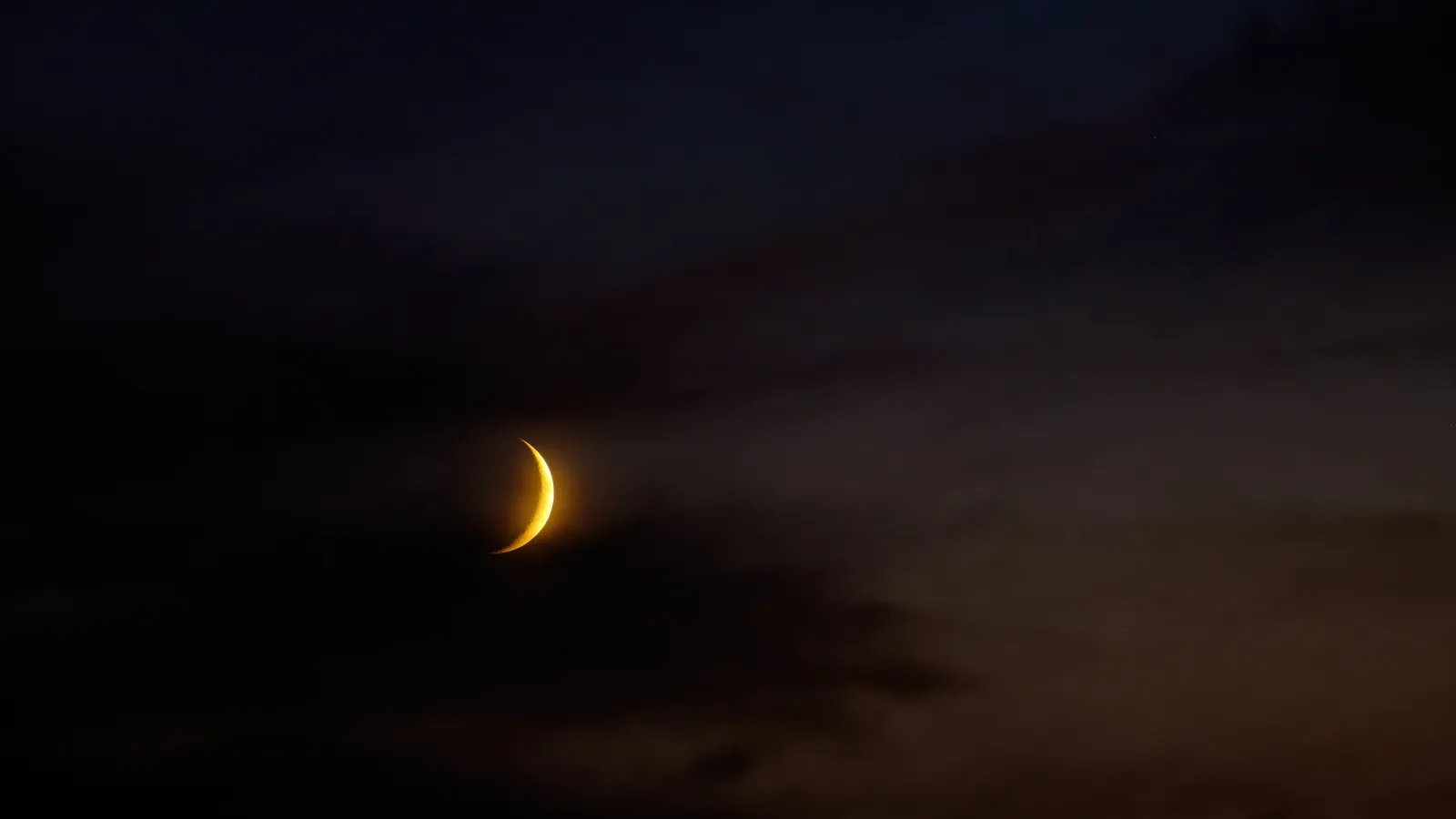
What Is a Void of Course Moon?
A void of course moon is the stretch of time when the Moon makes no more aspects before changing signs. An aspect is an angle between two planets, measured in degrees, that describes how their positions relate. Once the Moon’s last aspect in a sign is complete, it drifts without forming new connections until it crosses into the next sign.
This is not a gap in the sky. It is a shift in rhythm. Astrologers who track this as timing weather, as explained on the Vera Solene persona page, treat it as a pause rather than a warning.
The New Moon on January 8, 2027 in Capricorn marks the start of one lunation, the monthly cycle running from new moon to full moon and back. You can confirm exact lunar positions and these windows using an ephemeris, a table of daily planetary positions, such as the one at timeanddate.com.
As of October 19, 2026, you can check today’s void of course moon times using a live ephemeris rather than guessing from memory or an app that only updates weekly. These windows happen several times a month and typically last from a few minutes to about two days, and the hours when the Moon has finished its last major aspect in one sign but not yet entered the next are what this whole page is about.
How Often Does the Moon Turn Void, and Why?
The Moon changes signs roughly every two and a half days, so these pauses recur on a similar schedule. Each one varies in length depending on how much time passed since the Moon’s last aspect.
Some stretches last only a few minutes. Others run past a full day if the Moon’s last aspect happened early in its sign transit. There is no fixed duration, which is why checking a current ephemeris matters more than relying on a monthly generalization.
For readers tracking their own charts against these cycles, reading your transits against your birth chart gives more context than this pause alone.
When Should You Check Today’s Lunar Timing?
Checking today’s timing means looking at the exact hour, not just the date. These windows can start in the morning and end before lunch, or begin late at night and carry into the next afternoon.
Most ephemeris tools list the Moon’s last aspect and its sign ingress, the moment it enters a new sign, down to the minute. This precision matters if you are timing a specific call, signature, or conversation rather than planning a general week.
Should You Avoid Starting Important Things During This Window?
Many astrologers suggest holding off on launches, signings, or first meetings during this lunar pause. This is a tradition, not a rule with measurable outcomes. Nothing about it prevents an email from sending or a meeting from happening.
The more common approach treats it as a low-traction stretch. Plans made then may shift, get revised, or simply take longer to solidify. One astrologer summarized it simply: “Void moon plans tend to need a second look.”
If you are weighing a job offer or a start date, broader timing patterns, like those covered in career timing through Jupiter and Saturn cycles, often carry more weight than a single short pause.
What Else Shapes Timing Besides Lunar Pauses?
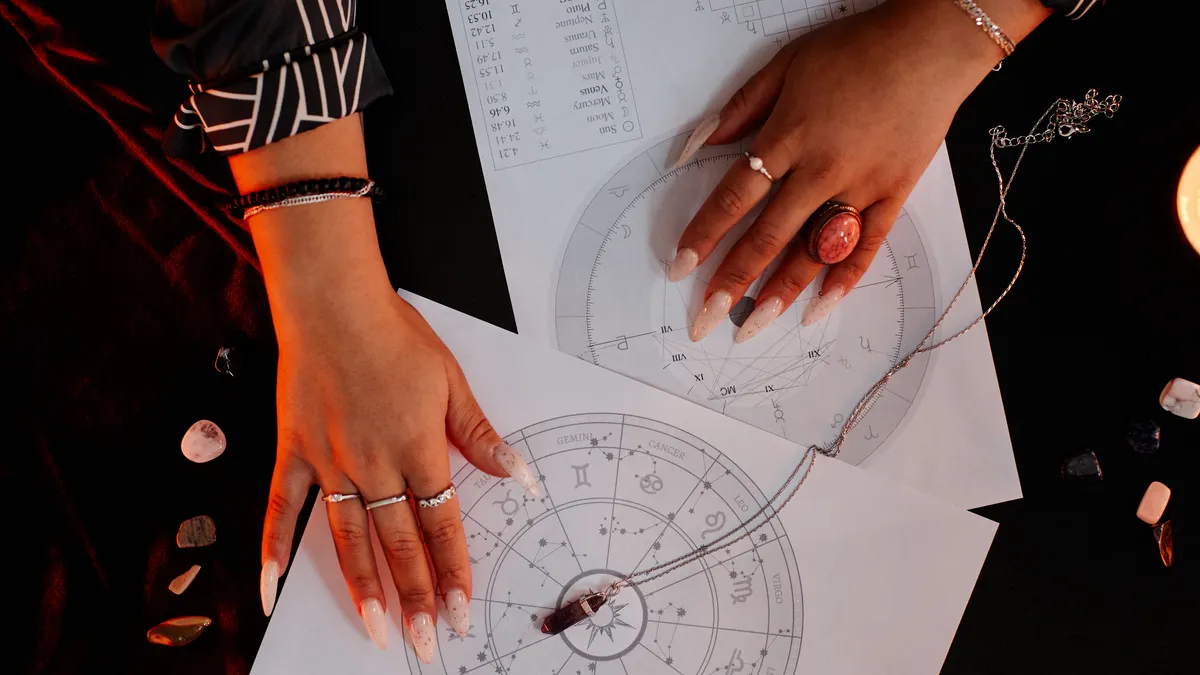
These lunar gaps are one layer of timing among several. Retrogrades, when a planet appears to move backward from Earth’s view, and eclipses, when the Sun, Moon, and Earth align closely, also shape how a stretch of weeks feels.
The table below compares how these different pauses show up across 2027, using the same computed dates referenced earlier this year.
| Event | Example Date(s) | Typical Duration | What It Suggests |
|---|---|---|---|
| Void of course Moon | Recurs multiple times monthly | Minutes to about 2 days | Short pause before a lunar sign shift |
| Mercury retrograde | February 9 to March 3, 2027 | About 3 weeks | Review, revise, delay signing |
| Saturn retrograde | August 9 to December 23, 2027 | About 4.5 months | Slower structural review |
| Total solar eclipse | August 2, 2027 in Leo | Single day | Marks a reset point in a lunation cycle |
These four pauses, the lunar void, Mercury retrograde, Saturn retrograde, and the eclipse, do not stack in importance. They layer. A short lunar pause during a Mercury retrograde week simply adds a brief gap inside a longer one.
Saturn’s own cycle offers a longer frame for this kind of waiting. Saturn squares your natal Saturn, the degree it held at your birth, around ages 21 to 22 and again at 36 to 37. When that square is active, even a brief lunar pause can feel like part of a longer stretch of recalibration rather than an isolated afternoon.
How Does This Fit Into Bigger Timing Questions?
A single short lunar gap rarely answers a bigger question like a career shift or a relationship decision. Those questions usually align more closely with slower cycles, such as a Jupiter return, which happens about every 11.9 years, or a Saturn return, which arrives between ages 27 and 30.
For a fuller view of your own timing, the dates and timing hub collects these larger cycles alongside shorter notes like this one. The home page outlines how Vera Solene treats timing as calibration rather than prediction, which is the same approach used throughout this page.
These small, recurring pauses matter most when you already know what you are timing, and least when treated as a rule for every decision. For a related read on sign-by-sign shifts, see reading your transits against your birth chart again for deeper context.