| Tool | Question it answers | Typical use |
|---|---|---|
| Transit reading | What is happening now | Ongoing daily or monthly check-in |
| Solar return chart | What does this year hold | Annual birthday reading |
| Electional chart | When is a good moment to start | Weddings, launches, signings |
 ## When Do Jupiter and Saturn Transits Matter Most?
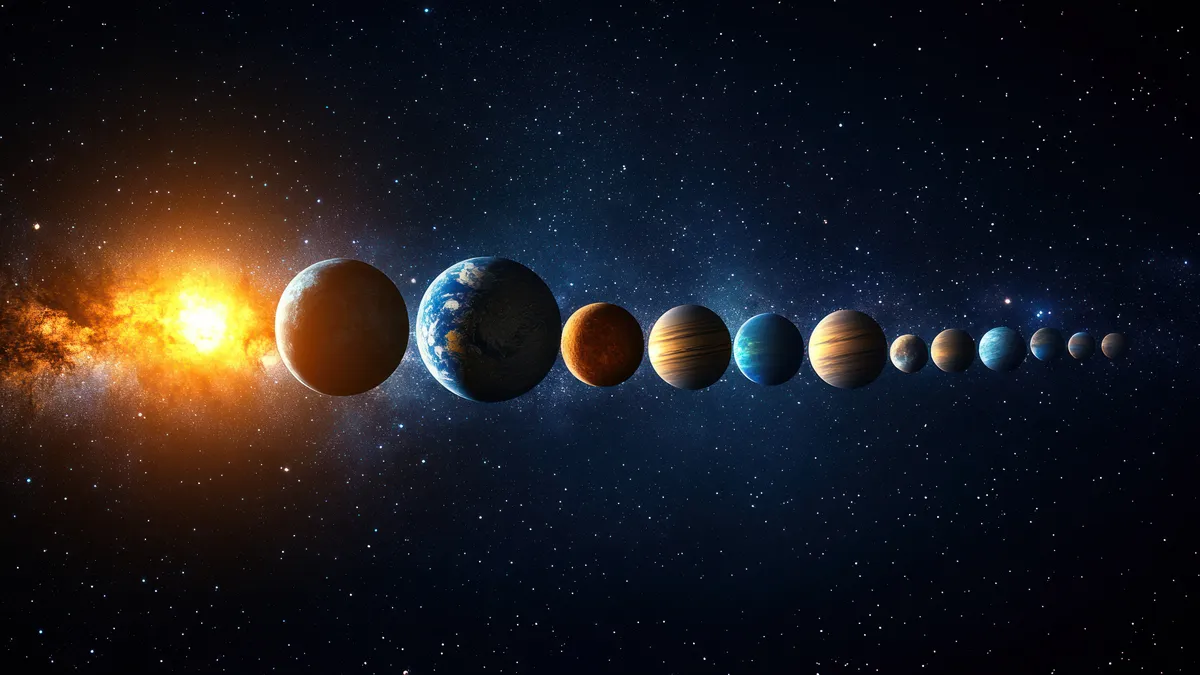
Jupiter and Saturn move slowly, so their transits mark longer chapters rather than single days. Both are worth tracking separately from the daily churn of the Moon and Mercury.
A jupiter transit expands whatever house it moves through, often bringing growth, opportunity, or simple increase in scale. Jupiter returns to its own natal position about every 11.9 years, so a Jupiter return year tends to feel like a reset point. Jupiter is currently retrograde, from December 14, 2026 to April 14, 2027, staying in Leo the entire time, which means its expansive themes are turned inward for review rather than outward action.
A saturn transit tends to feel heavier, bringing structure, tests, or consolidation to the house and planets it touches. Saturn turns retrograde on August 10, 2027, and stations direct December 25, 2027, moving through Aries that whole stretch. The first Saturn return, between ages 27 and 30, is widely discussed because it often coincides with major adult restructuring, though the timing and content of that restructuring differs for everyone.
Mars adds a shorter, sharper layer. Mars retrograde runs January 11 to April 2, 2027, moving backward from Virgo into Leo, which can stall projects tied to daily routines and health systems, the 6th house themes. You can confirm any of these station dates against a public ephemeris at [Astro.com](https://www.astro.com/).
## Why Do Astrologers Watch Retrogrades So Closely?
A retrograde is when a planet appears to move backward from Earth's point of view, an optical effect caused by orbital speed differences, not an actual reversal in space.
Retrogrades do not halt life. They tend to correlate with review, delay, or revision in the area of the chart they touch. As of October 7, 2026, the next Mercury retrograde begins February 10, 2027, running through March 4, 2027, moving from Pisces back into Aquarius.
There are three more Mercury retrogrades on the calendar for 2027: June 11 to July 5 in Cancer and Gemini, and October 8 to October 29 in Scorpio and Libra. For exact station and shadow dates, the [Mercury retrograde end dates page](/dates/when-mercury-retrograde-ends) breaks down each period individually.
## When Do Jupiter and Saturn Transits Matter Most?
Jupiter and Saturn move slowly, so their transits mark longer chapters rather than single days. Both are worth tracking separately from the daily churn of the Moon and Mercury.
A jupiter transit expands whatever house it moves through, often bringing growth, opportunity, or simple increase in scale. Jupiter returns to its own natal position about every 11.9 years, so a Jupiter return year tends to feel like a reset point. Jupiter is currently retrograde, from December 14, 2026 to April 14, 2027, staying in Leo the entire time, which means its expansive themes are turned inward for review rather than outward action.
A saturn transit tends to feel heavier, bringing structure, tests, or consolidation to the house and planets it touches. Saturn turns retrograde on August 10, 2027, and stations direct December 25, 2027, moving through Aries that whole stretch. The first Saturn return, between ages 27 and 30, is widely discussed because it often coincides with major adult restructuring, though the timing and content of that restructuring differs for everyone.
Mars adds a shorter, sharper layer. Mars retrograde runs January 11 to April 2, 2027, moving backward from Virgo into Leo, which can stall projects tied to daily routines and health systems, the 6th house themes. You can confirm any of these station dates against a public ephemeris at [Astro.com](https://www.astro.com/).
## Why Do Astrologers Watch Retrogrades So Closely?
A retrograde is when a planet appears to move backward from Earth's point of view, an optical effect caused by orbital speed differences, not an actual reversal in space.
Retrogrades do not halt life. They tend to correlate with review, delay, or revision in the area of the chart they touch. As of October 7, 2026, the next Mercury retrograde begins February 10, 2027, running through March 4, 2027, moving from Pisces back into Aquarius.
There are three more Mercury retrogrades on the calendar for 2027: June 11 to July 5 in Cancer and Gemini, and October 8 to October 29 in Scorpio and Libra. For exact station and shadow dates, the [Mercury retrograde end dates page](/dates/when-mercury-retrograde-ends) breaks down each period individually.
| Planet | Start | End | Signs |
|---|---|---|---|
| Jupiter | December 14, 2026 | April 14, 2027 | Leo to Leo |
| Mars | January 11, 2027 | April 2, 2027 | Virgo to Leo |
| Mercury | February 10, 2027 | March 4, 2027 | Pisces to Aquarius |
| Mercury | June 11, 2027 | July 5, 2027 | Cancer to Gemini |
| Saturn | August 10, 2027 | December 25, 2027 | Aries to Aries |
| Mercury | October 8, 2027 | October 29, 2027 | Scorpio to Libra |
 ## What Should I Do With My Current Transits?
Transit readings are a tool for calibration, not a script for behavior. They highlight timing windows worth paying closer attention to, nothing more fixed than that.
If you are planning something practical, like a home purchase, current transits can offer context alongside ordinary financial and personal factors. The [good time to buy a house guide](/windows/good-time-to-buy-a-house) covers how 2nd and 4th house transits get weighed against real-world logistics.
Pair your transits with your [progressed chart](/windows/progressed-chart-explained) for a fuller picture. Progressions track slow internal development; transits track external pressure arriving from outside. Reading both together tends to give more texture than either alone.
Astrologer Vera Solene puts it simply: "Transits describe weather, not destiny." That framing matters when eclipses roll through, since the upcoming [solar eclipse 2027 calendar](/dates/solar-eclipse-2027-calendar) lists five eclipses across the year, each one a lunation with slightly stronger pull than an ordinary new or full moon.
## How Often Should I Check My Transits?
Checking monthly around the new and full moons tends to be enough for most people, since lunations shift the daily tone faster than any other transit.
Slower transits, like a jupiter transit or saturn transit, are worth a deeper look once or twice a year, or whenever something major shifts in your work, home, or relationships. Daily checking tends to create more anxiety than insight, since the Moon alone changes sign every two and a half days.
If a specific question is sitting with you right now, a single detailed reading often covers more ground than months of casual chart-watching. You can learn more about how these readings get built on the [about Vera Solene page](/about/vera-solene), or start from the [dates section hub](/dates) if you want to browse other timing tools first. The [home page](/) also links to current lunation and retrogrades at a glance.
For anyone weighing a wedding date, a launch date, or any moment they want to choose deliberately, an electional chart built around these same transit positions is usually the more precise tool, picking the moment rather than just reading it after the fact.
For a closer look at your own transits and what they might be pointing to right now, Vera offers personal readings by email.
## What Should I Do With My Current Transits?
Transit readings are a tool for calibration, not a script for behavior. They highlight timing windows worth paying closer attention to, nothing more fixed than that.
If you are planning something practical, like a home purchase, current transits can offer context alongside ordinary financial and personal factors. The [good time to buy a house guide](/windows/good-time-to-buy-a-house) covers how 2nd and 4th house transits get weighed against real-world logistics.
Pair your transits with your [progressed chart](/windows/progressed-chart-explained) for a fuller picture. Progressions track slow internal development; transits track external pressure arriving from outside. Reading both together tends to give more texture than either alone.
Astrologer Vera Solene puts it simply: "Transits describe weather, not destiny." That framing matters when eclipses roll through, since the upcoming [solar eclipse 2027 calendar](/dates/solar-eclipse-2027-calendar) lists five eclipses across the year, each one a lunation with slightly stronger pull than an ordinary new or full moon.
## How Often Should I Check My Transits?
Checking monthly around the new and full moons tends to be enough for most people, since lunations shift the daily tone faster than any other transit.
Slower transits, like a jupiter transit or saturn transit, are worth a deeper look once or twice a year, or whenever something major shifts in your work, home, or relationships. Daily checking tends to create more anxiety than insight, since the Moon alone changes sign every two and a half days.
If a specific question is sitting with you right now, a single detailed reading often covers more ground than months of casual chart-watching. You can learn more about how these readings get built on the [about Vera Solene page](/about/vera-solene), or start from the [dates section hub](/dates) if you want to browse other timing tools first. The [home page](/) also links to current lunation and retrogrades at a glance.
For anyone weighing a wedding date, a launch date, or any moment they want to choose deliberately, an electional chart built around these same transit positions is usually the more precise tool, picking the moment rather than just reading it after the fact.
For a closer look at your own transits and what they might be pointing to right now, Vera offers personal readings by email.